The Legacy of French Kitchenware in Culinary Traditions
French kitchenware has been a cornerstone of culinary excellence for centuries, rooted in the country’s rich gastronomic heritage. From the rustic charm of enameled cast iron to the precision of hand-hammered copper, french kitchenwares combine artistry with functionality. In 2025, french kitchenwares continues to inspire home chefs and professional kitchens alike, offering tools that elevate cooking to an art form. Whether you’re preparing classic French dishes like coq au vin or modern fusion recipes, understanding the history and craftsmanship behind french kitchenwares ensure you choose pieces that align with your culinary goals.
The evolution of french kitchenware reflects France’s emphasis on quality and durability. Brands like Le Creuset and Mauviel have set global standards for their ability to withstand high heat, maintain even cooking, and adapt to diverse techniques. This section will explore how french kitchenware became a symbol of excellence and why it remains a must-have for serious cooks.
Key Materials in French Kitchenwares: Ceramic, Copper, and More
The materials used in french kitchenwares determine its performance, aesthetics, and longevity. Here’s a breakdown of the most iconic options:
- Enameled Cast Iron: Known for its exceptional heat retention and durability, enameled cast iron is ideal for slow-cooking stews and roasting meats.
- Copper Cookware: French copper pots excel in heat conductivity, allowing for precise temperature control during delicate tasks like flambéing or melting chocolate.
- Stainless Steel: Multi-ply stainless steel pans from brands like All-Clad offer non-reactive surfaces and versatility for everything from sautéing to boiling.
- Ceramic Cookware: French ceramic cookware is lightweight, non-stick, and perfect for baking or simmering.
- Clay and Earthenware: Traditional french kitchenwares like tagine dishes retains moisture for slow-cooked Moroccan-inspired meals.
For example, a french kitchenwares set might include a Le Creuset Dutch oven for braising and a french copper pot for sauces. Each material caters to specific culinary needs while maintaining the elegance associated with french kitchenwares.
Top French Kitchenwares Brands for 2025
In 2025, french kitchenware brands are leading the market with innovations and heritage. Here are the most trusted names:
- Le Creuset: Famous for its vibrant enameled cast iron, this brand combines durability with bold colors.
- Mauviel: Specializes in french copper pots and hammered stainless steel for professional-grade performance.
- Staub: Known for self-basting lids and superior heat retention in cast iron.
- Bernardaud: Offers handcrafted french ceramic cookware with intricate designs.
- Eco-Friendly Brands: Newer labels like EcoCopper use recycled materials to create sustainable kitchenware.
For instance, a french kitchenware enthusiast might choose a Staub cocotte for its versatility, while a professional chef might rely on Mauviel’s copper pans for precision. Researching these brands ensures you invest in quality french kitchenware.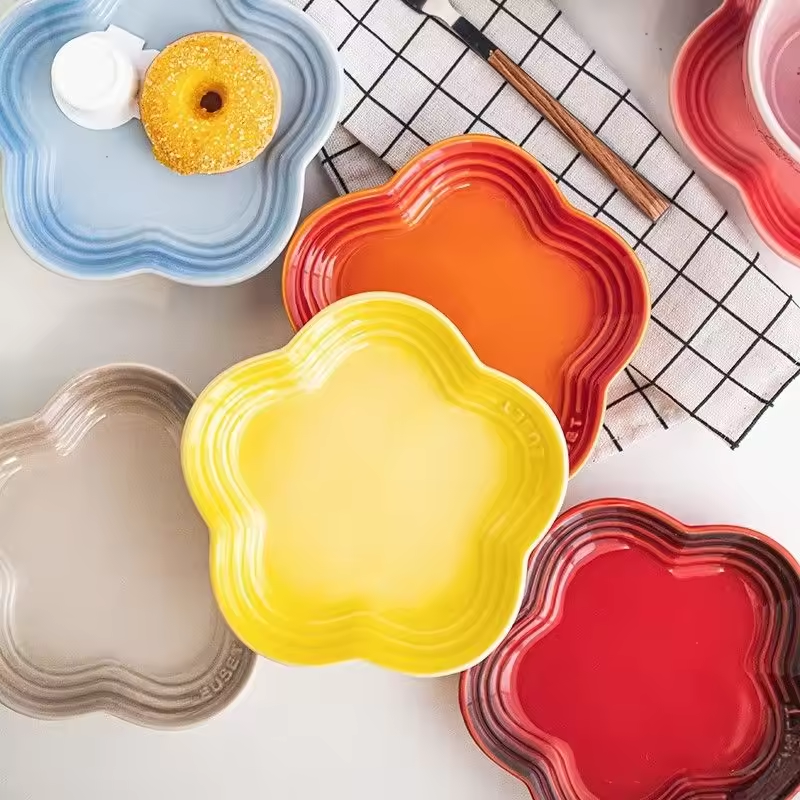
How to Choose the Right French Kitchenware for Your Needs
Selecting french kitchenwares depend on your cooking style, kitchen size, and budget. Here’s how to make an informed decision:
- For Beginners: Start with a basic enameled cast iron pan and a french ceramic cookware set for baking.
- For Professionals: Opt for french copper pots and multi-ply stainless steel for technical precision.
- For Small Kitchens: Prioritize stackable french kitchenwares to save space.
- For Large Families: Invest in oversized Dutch ovens or multi-piece sets for batch cooking.
For example, a french kitchenware set for a small kitchen might include a 3-quart enameled pot and an 8-inch copper sauté pan. Always test the weight and balance of french kitchenwares before purchasing to ensure usability.
Caring for French Kitchenwares: Maintenance Tips
Proper care extends the lifespan of french kitchenwares and maintains its performance. Here are essential guidelines:
- Cleaning: Use mild soap and a soft sponge for enameled surfaces; avoid abrasive scrubbers.
- Seasoning: While not required for enameled french kitchenwares, cast iron pieces need occasional oiling to prevent rust.
- Storage: Store french kitchenwares in a dry place, using felt pads to prevent scratches.
- Avoid Thermal Shock: Gradually heat french kitchenwares to prevent cracking.
For instance, a french kitchenware user might apply a thin layer of oil to cast iron pans after washing, while french ceramic cookwares benefit from air drying. Regular maintenance ensures longevity.
French Kitchenwares vs. Global Alternatives
While french kitchenware is renowned for quality, it competes with other global options:
- Japanese Cookware: Often lighter and more affordable, but may lack the heat retention of french kitchenwares.
- Italian Ceramic: Similar to french kitchenwares, but typically less durable for high-heat cooking.
- German Stainless Steel: Known for non-reactivity but may require preheating for optimal performance.
For example, a french kitchenware Dutch oven outperforms a German stainless steel pot in braising due to its superior heat retention. Understanding these differences helps you choose the best french kitchenware for your needs.
The Role of French Kitchenwares in Classic French Cuisine
French kitchenware is integral to mastering traditional recipes:
- Coq au Vin: Requires a heavy french kitchenware Dutch oven for deep, rich flavors.
- Beurre Blanc: Demands a french copper pot for precise emulsification.
- Tarte Tatin: Needs a ceramic french kitchenware dish for caramelization.
For instance, a french kitchenware set might include a 6-quart enameled casserole for boeuf bourguignon and a french copper pot for flambéed desserts. These tools ensure authentic results in French cooking.
Troubleshooting Common French Kitchenwares Issues
Even premium french kitchenwares can face challenges. Here’s how to address them:
- Chipped Enameled Surfaces: Minor chips don’t affect performance but may dull aesthetics.
- Stuck-on Food: Soak french kitchenwares in warm water before cleaning to prevent scratches.
- Rust on Cast Iron: Dry french kitchenwares thoroughly after washing and apply a thin oil layer.
- Uneven Heating: Ensure french kitchenware is placed on medium heat for even cooking.
For example, if your french kitchenwares develops a chip, avoid using it for acidic sauces to prevent leaching. Addressing these issues preserves your investment.
French Kitchenwares for Modern, Space-Saving Kitchens
French kitchenware now adapts to compact spaces:
- Stackable Sets: Brands like Le Creuset offer modular french kitchenwares collections.
- Multi-Purpose Pieces: Dutch ovens can double as serving vessels for meals like bouillabaisse.
- Lightweight Options: Some french kitchenwares line use thinner enameled cast iron for easier handling.
For instance, a french kitchenware set with nested pots and pans saves shelf space, while a french kitchenware tagine dish serves both cooking and presentation. These innovations cater to modern lifestyles.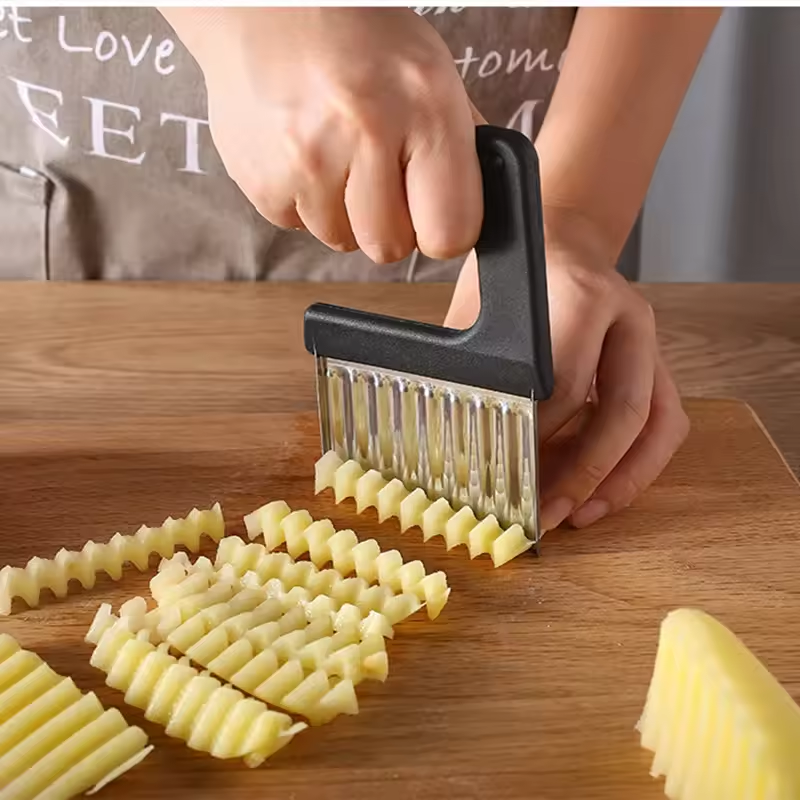
How to Pair French Kitchenware with Other Tools
French kitchenware works best when paired with complementary tools:
- Cast Iron + Wooden Spoons: Prevent scratches on enameled surfaces.
- Copper Pans + Silicone Lids: Create airtight seals for simmering sauces.
- Ceramic Dishes + Heat-Resistant Gloves: Safely handle hot french kitchenwares during transfers.
For example, a french kitchenware copper pan pairs well with a french kitchen accessories set of wooden utensils for a cohesive look. These pairings enhance both function and style.
The Future of French Kitchenwares: 2025 Trends
French kitchenware is evolving with sustainability and technology:
- Eco-Friendly Materials: Brands now use recycled metals or biodegradable coatings.
- Smart Cookware: Integrated sensors for temperature monitoring in french kitchenwares.
- Customizable Designs: 3D-printed french kitchenwares with personalized engravings.
For instance, a french kitchenware brand might introduce a line of french kitchen accessories made from reclaimed materials. These trends reflect the growing demand for eco-conscious and tech-integrated tools.
Cost vs. Quality: What to Prioritize
Balancing cost and quality when purchasing french kitchenware is crucial:
- Budget-Friendly Options: Look for french kitchenwares with classic designs at discounted prices.
- Investment Pieces: Spend on french kitchenwares with lifetime warranties or heirloom potential.
- Brand Reputation: Established names like Le Creuset ensure reliability, while indie brands offer unique french kitchenwares.
For example, a french kitchenware Dutch oven is a worthwhile investment for frequent use, while a copper pan might suit occasional cooks. Prioritize durability and craftsmanship.