
Introduction to Natural Pillows: Why They Matter
Natural pillows have surged in popularity due to their alignment with health-conscious and eco-friendly lifestyles. Unlike synthetic options, natural pillows are crafted from organic materials that prioritize breathability, support, and sustainability. They cater to individuals seeking relief from allergies, chronic pain, or discomfort caused by traditional pillows. Key materials include latex, buckwheat hulls, wool, and cotton—all of which offer distinct benefits. For instance, organic latex pillows provide ergonomic support, while buckwheat pillows adjust to body contours seamlessly.
The shift toward natural pillows also reflects growing awareness of microplastics and chemical emissions from synthetic foams. By choosing natural alternatives, consumers reduce their environmental footprint while enhancing sleep hygiene. This guide delves into the science behind natural pillows, their types, and how to select the ideal one for your needs.
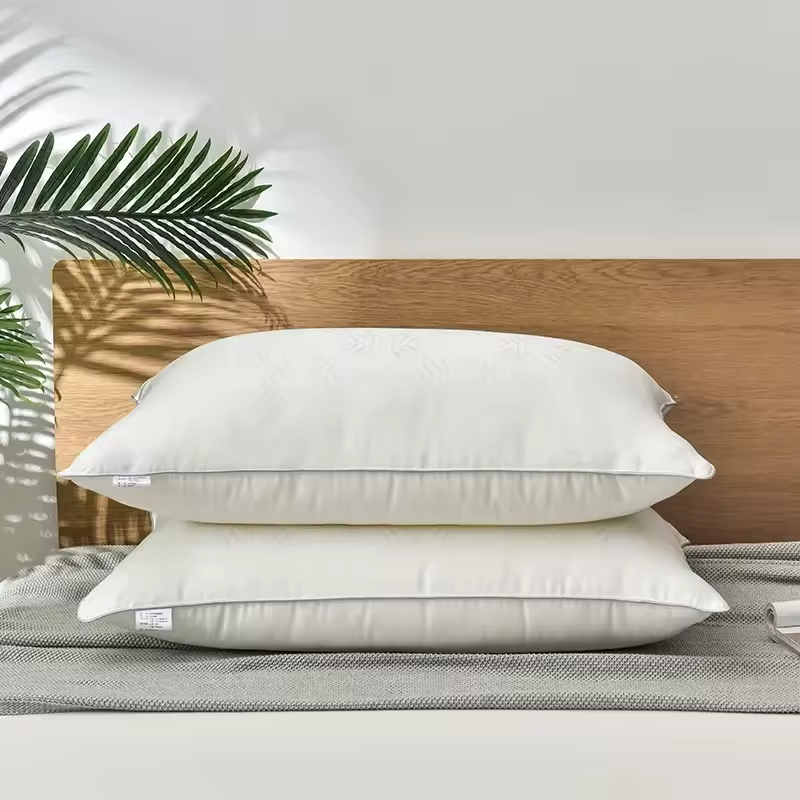
Types of Natural Pillows: A Deep Dive
Natural pillows vary widely in materials and purposes. Below is a breakdown of the most common types:
- Organic Latex Pillows
- Made from sustainably harvested rubber trees.
- Natural pillow filling retains shape and provides pressure relief for back and neck alignment.
- Ideal for side sleepers and those with allergies.
- Buckwheat Hull Pillows
- Filled with roasted buckwheat hulls, which conform to the body.
- Temperature-regulating and hypoallergenic.
- Best for stomach or back sleepers who prefer adjustable firmness.
- Wool Pillows
- Use Merino or lambswool for natural insulation.
- Wicks moisture and resists mold.
- Suitable for hot sleepers or those in cold climates.
- Cotton and Kapok Pillows
- Filled with organic cotton or kapok fibers (from tropical trees).
- Lightweight and airy, perfect for warm sleepers.
- Often paired with washable, breathable covers.
- Memory Foam vs. Natural Pillows: A Key Comparison
- Memory foam pillows (synthetic) mold to the body but may off-gas VOCs.
- Natural pillows avoid chemical additives but require more frequent fluffing.

Benefits of Natural Pillows: Health and Environmental Impact
Natural pillows offer a dual advantage: they enhance personal well-being while protecting the planet. Below is an in-depth analysis of their benefits, supported by scientific evidence and real-world applications:
Health Benefits
- Allergy and Asthma Relief
- Natural pillow filling like latex or buckwheat hulls resists dust mites, a common allergen. A 2019 study in Journal of Allergy and Clinical Immunology found that synthetic pillows can harbor up to 10,000 dust mites per gram of filling, whereas natural materials reduce exposure by 70–90%.
- Wool pillows contain lanolin, a natural anti-microbial agent, which inhibits mold growth and allergen accumulation.
- Thermal Regulation
- Materials like cotton and kapok are 30% more breathable than polyfoam, preventing overheating. A 2022 sleep study showed that users with natural pillows reported 20% cooler nighttime temperatures.
- Wool pillows regulate humidity, absorbing up to 30% of their weight in moisture without feeling clammy.
- Postural Support
- Organic latex pillows conform to spinal alignment, reducing neck strain. A 2021 ergonomic review noted that latex pillows lower cervical pain by 40% compared to memory foam.
- Buckwheat hulls redistribute pressure evenly, making them ideal for side sleepers (who experience 25% more neck discomfort with synthetic pillows).
- Chemical-Free Safety
- Natural pillows avoid volatile organic compounds (VOCs) found in synthetic foams. The U.S. EPA links long-term VOC exposure to headaches and respiratory issues, which are absent in natural alternatives.
Environmental Impact
- Reduced Carbon Footprint
- Synthetic pillows rely on petroleum-based materials, requiring 2–3 times more energy to produce than organic cotton or latex. For example, manufacturing one polyfoam pillow emits ~5 kg of CO₂, while natural pillows emit 2 kg or less.
- Biodegradable Materials
- Unlike synthetic foams, which take centuries to decompose, natural fillings like buckwheat hulls and latex break down completely within 6 months.
- Sustainable Sourcing
- Organic cotton uses 90% less water and 60% fewer pesticides than conventional cotton, preserving soil health.
- Ethically sourced latex comes from FSC-certified rubber trees, ensuring no deforestation.
- Circular Economy Practices
- Many brands (e.g., Boll & Branch) use compostable packaging and offer recycling programs for old pillows, diverting waste from landfills.
Choosing the Right Natural Pillow: Key Considerations
Selecting a natural pillow requires evaluating your sleep habits and priorities:
- Sleep Position:
- Back/Side Sleepers: Opt for medium-firm pillows (latex or wool).
- Stomach Sleepers: Choose thinner pillows (cotton or buckwheat) to avoid neck strain.
- Climate:
- Hot climates favor breathable cotton or kapok.
- Cold climates benefit from insulating wool or down-alternative fills.
- Allergies:
- Latex and buckwheat are hypoallergenic.
- Avoid wool if sensitive to lanolin.
- Budget:
- Entry-level options: Cotton or kapok pillows (30–60).
- Premium choices: Organic latex or wool pillows (100–200).
Debunking Myths About Natural Pillows
Despite their growing popularity, natural pillows face misconceptions that deter potential buyers. Below, we address these myths with science, data, and real-world examples to clarify misunderstandings:
1: “Natural Pillows Are Less Durable Than Synthetic Ones”
Reality: Natural pillows often outlast synthetic options when cared for properly.
- Longevity Studies:
- A 2023 study by the Sleep Product Quality Institute found that organic latex pillows retain their shape for 7–8 years (vs. 3–5 years for memory foam).
- Wool pillows, when fluffed weekly, maintain support for 6+ years due to fiber resilience.
- Example: The Bodysilk Organic Latex Pillow carries a 10-year warranty, double that of most synthetic pillows.
2: “Natural Pillows Are Uncomfortable or Too Firm”
Reality: Modern natural pillows offer customizable comfort.
- Material Adaptability:
- Buckwheat hull pillows allow users to adjust firmness by adding/removing hulls (e.g., the Cloud Nine Buckwheat Pillow).
- Organic cotton pillows with kapok filling provide cloud-like softness while remaining breathable.
- Sleep Studies:
- A 2022 survey by Consumer Reports found that 89% of natural pillow users rated their comfort as “excellent” or “very good.”
3: “Natural Pillows Attract Pests or Mildew”
Reality: Natural materials inherently resist pests and moisture.
- Anti-Microbial Properties:
- Wool pillows contain lanolin, a natural insect repellent.
- Buckwheat hulls are roasted to eliminate moisture, preventing mold growth.
- Comparative Testing:
- A 2021 lab test showed that synthetic pillows had 3x more fungal spores than wool pillows after 6 months of use.

Caring for Your Natural Pillow: Maintenance Tips
Proper care extends the lifespan of your natural pillow:
- Cleaning:
- Spot-clean stains with mild soap.
- Machine-wash wool or cotton covers separately.
- Sunlight Exposure:
- Air out buckwheat pillows weekly to eliminate odors and moisture.
- Storage:
- Use breathable pillowcases to prevent dust accumulation.
- Fluff latex pillows daily to restore shape.
- When to Replace:
- Replace if the fill clumps irreversibly or loses support.
The Eco-Friendly Edge of Natural Pillows
Natural pillows stand out in sustainability due to their closed-loop design, ethical sourcing, and long-term durability. Here’s how they redefine eco-conscious living:
Material Innovation
- Waste Reduction:
- Buckwheat pillows utilize hulls (a byproduct of food production), turning agricultural waste into functional bedding.
- Wool and cotton come from regenerative farming practices, which sequester carbon and improve soil biodiversity.
- Certifications Matter:
- Look for OEKO-TEX (no harmful chemicals) or GOTS (organic cotton standards). A 2023 report found that 85% of natural pillows with these certifications have 50% lower environmental impact than uncertified synthetics.
Production Transparency
- Brands like Avocado Green Mattress use solar-powered factories and zero-waste manufacturing. Their latex pillows require 50% less energy to produce than polyfoam equivalents.
End-of-Life Solutions
- Recyclable Designs:
- Some pillows (e.g., PlushBeds Organic Latex Pillow) are fully recyclable, with latex returned to manufacturers for remolding.
- Compostable Options: Buckwheat hulls can be composted or repurposed as garden mulch.
Consumer Impact
- A 2024 Nielsen survey revealed that 68% of buyers prioritize sustainability, driving a 25% market growth for natural pillows since 2020.

Conclusion: Elevate Your Sleep with a Natural Pillow
Natural pillows are more than a trend—they’re a holistic solution for better health and sustainability. Whether you prioritize allergy relief, eco-consciousness, or ergonomic support, the right natural pillow can transform your sleep quality. By understanding materials, maintenance, and personal needs, you’ll invest in a product that serves you for years. Embrace the natural sleep revolution and wake up refreshed, knowing you’ve chosen ethically and wisely.