Introduction to Flower Vase Drawing
Drawing a flower in vase brings together nature’s beauty and our artistic skills. It’s a classic theme in art, beloved by both beginners and advanced artists alike. To begin with flower in vase drawing, first understand its appeal. It combines the softness of petals with the solidity of the vase. This contrast makes for a compelling composition. Let’s dive into the basics for those eager to explore this enchanting subject.
The key to mastering flower in vase drawing lies in observation. Study how light interacts with your subject. Notice the curves of the petals and the structure of the vase. These elements set the stage for a beautiful drawing. Starting with simple lines and shapes, you will build up to a detailed and realistic representation. From selecting the right supplies to detailing each petal and leaf, each step brings you closer to a stunning artwork.
Each drawing begins with a vision. What kind of flowers do you wish to depict? How will you arrange them in the vase? Your choices will influence the feel of your artwork. The balance between flowers and the space they occupy in the vase is critical. It guides the viewer’s eye across the drawing.
In the following sections, we will cover the essentials for floral drawing. These include the drawing supplies, basic shapes, shading techniques, and the fine details that make your drawing stand out. Read on to learn how to create striking flower in vase drawings that capture the delicate interplay between nature and art.
Essential Drawing Supplies for Floral Artwork
To start your flower in vase drawing, the right supplies are crucial. Quality materials can elevate your artwork from good to great. Here are the essentials you’ll need:
- Pencils: Choose a variety of hardness levels. Softer pencils (B-series) are great for shading, while harder pencils (H-series) work well for initial sketches.
- Eraser: A kneaded eraser is gentle on your paper and perfect for lifting graphite for subtle highlights.
- Sketching Paper: Heavyweight paper can handle erasing and reworking without tearing. Look for a smooth texture for fine details.
- Quality Brushes: For those adding watercolor or ink, brushes of varying sizes allow precision and expressive strokes.
- Ink or Watercolors: If you plan on adding color, professional-grade inks or watercolors can provide rich hues and transparency.
- Palette: A palette is essential for mixing watercolors or inks to achieve the right color and consistency.
- Clean Water: Always keep a jar of clean water handy if you’re using watercolors, to keep your colors pure.
- Fineliners: For detailed work, fineliners offer sharp lines and come in various tip sizes.
These supplies form the foundation of your floral artwork. With them, you can sketch, shade, and detail your flower in vase drawing. Remember to use your materials wisely, as the right tool can help to accurately convey the textures and shapes of your flowers and vase.
Basic Shapes and Structure in Vase Drawing
When starting a flower in vase drawing, begin with basic shapes. Shape the vase with simple geometric forms. Think of the vase as a combination of cylinders and ovals. These shapes provide a solid foundation for your vase. Next, outline the general placement of the flowers. Circles or ellipses can represent the blooms. Use rectangles or lines for stems. Doing this helps you plan the composition before adding details.
Good structure is key for convincing vase drawings. Make sure the vase feels stable on the surface. Check that the ellipse at the top is symmetrical and aligned with the base. This creates balance in your drawing. For the flowers, ensure the basic shapes vary in size. This adds depth and interest. They should overlap naturally, as real flowers do. Keep in mind the direction from which light comes. It guides where to place your darkest shadows and brightest highlights later.
For accuracy, constantly compare the size and placement of each part. Use light strokes to make adjustments easily. Keep refining the shapes to mirror the natural form of the vase and flowers. Remember, patient observation of your reference will pay off. As you work on the structure, your drawing will start to come alive. Now you’re ready to move on to detailing your drawing with rendering techniques for flowers and foliage.
Techniques for Rendering Flowers and Foliage
Once you have the basic shapes of your flower in vase drawing, it’s time to add life to it. Rendering flowers and foliage requires attention to detail and patience. Here are some techniques to help you achieve realistic and dynamic representations of flowers and foliage.
- Petal Shapes: Look closely at the types of petals each flower has. Some might be round, while others more pointed. Draw their shape following the basic outlines.
- Vein Textures: Leaves and petals often have veins that give them texture. Use fine lines to suggest these veins, being careful not to make them too prominent.
- Layering: Flowers are made up of layers of petals. Show this depth by drawing petals behind one another, with the back ones partly hidden.
- Stem Details: Stems can have ridges or be smooth. Depict this with thin lines or soft shading. Remember to draw any thorns or hairs as needed.
- Foliage Shapes: Leaves come in various shapes and sizes. Capture their unique forms, including any jagged or smooth edges.
- Direction of Growth: Observe how the flowers and leaves grow and bend. This will help you render them in a natural and believable way.
With these techniques, your drawing will start to have more form and complexity. Each flower and leaf will begin to pop off the page. Keep referring to real flowers or high-quality images for inspiration. Practice these techniques, and your floral drawings will bloom with life and realism.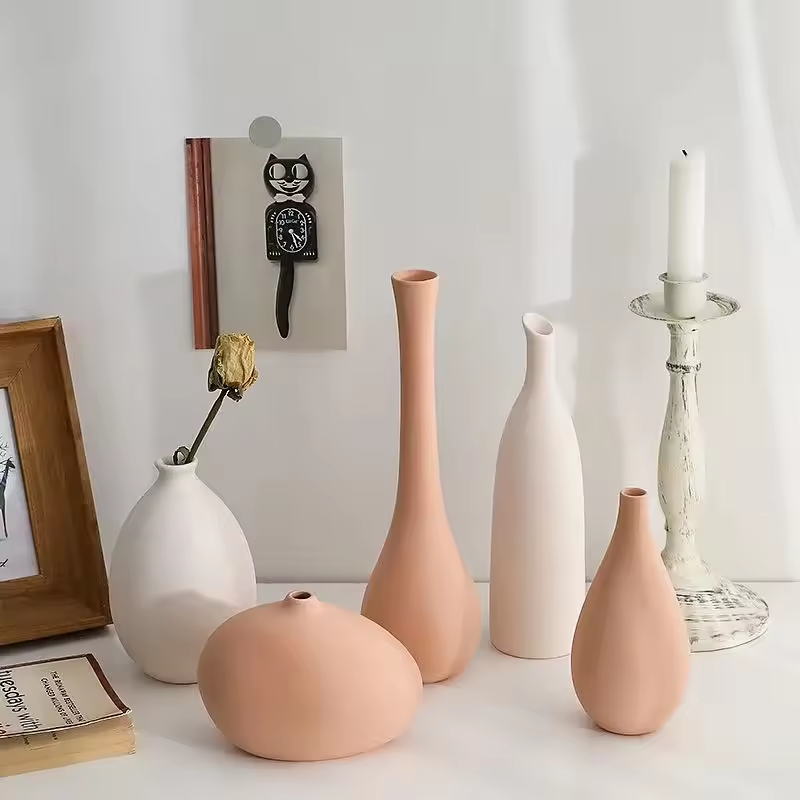
Shading and Lighting for Realistic Effects
To create depth in your flower in vase drawing, shading and lighting are crucial. Here’s how to use these techniques effectively:
- Observe Light Source: Determine where light comes from. This will guide where shadows fall and highlights sit.
- Contrast with Shading: Use darker shading where light is absent. Lighter shading works where light hits the surface.
- Gradual Transitions: Make sure to blend your shading. Gradual transitions from dark to light look natural.
- Highlight Edges: Add highlights on the edges of petals and vase parts that catch the light. This makes your drawing pop.
- Reflective Qualities: Consider the vase material’s reflectiveness. A glass vase will have sharp reflections compared to a clay one.
- Cast Shadows: Remember that the vase and flowers cast shadows. These help root them on the surface.
- Mid-tones: Mid-tones are vital. They form the majority of your drawing’s tones. Ensure they are correct.
- Keep Reflecting Light: Light reflects from the table and other flowers. Show this with subtle light on the vase and undersides of petals.
Shading and lighting make your flower in vase drawing come alive. They give it a three-dimensional feel. Remember to use the light and dark tones to your advantage. Your goal is to mimic how light plays with nature. With practice, your drawings will show depth and realism.
Adding Details to Enhance Your Flower Vase Illustration
Once you’ve mastered the basic shapes, shading, and lighting in your flower in vase drawing, it’s time to add details that bring life and uniqueness to your piece. Details make your work stand out and give it character. Here are some tips for enhancing your floral drawings:
- Texture: Introduce texture to the petals and vase surface. This creates a more tactile appearance. Use pencil strokes that mimic the surface quality.
- Color Gradients: If using color, apply gradients to show how colors change on petals or the vase. Begin with light washes and build up to deeper shades.
- Highlights and Shadows: Refine shadows and highlights. Make sure they align with your light source. This adds depth and realism to your illustration.
- Background Elements: Add subtle background elements. These can provide context and contrast for your flowers.
- Details in the Vase: Include designs or patterns on the vase if they’re part of your vision. This adds another layer of interest.
- Refinements: Keep refining edges and contours. Keep them clean and clear to guide the viewer through the artwork.
Adding these details takes time and patience, but it’s worth it. The devil is in the details, as they say, and they can transform a simple drawing into a captivating image. Paying attention to the little things will set your flower in vase drawing apart from the rest.
Common Mistakes and How to Avoid Them
As you progress with your flower in vase drawing, you may hit some common pitfalls. Here’s how to steer clear of these mistakes:
- Ignoring the Proportions: It’s easy to misjudge the size relationship between flowers and vase. Always compare sizes and adjust them to keep the balance right.
- Overlooking the Light Source: Light affects every part of your drawing. Remember where the light comes from. Keep shading consistent with that direction.
- Using Hard Outlines: Outlines that are too hard can flatten your drawing. Instead, use soft lines. Shade to create edges, not solid outlines.
- Not Considering Composition: The way you place elements can make or break a drawing. Play with the arrangement. Make sure it guides the viewer’s eye.
- Skipping the Sketch Stage: A rough sketch is crucial. It helps plan your work. Take time with this step to prevent errors later on.
- Overdoing Details: Too much detail can clutter your artwork. Focus on key areas. Let others be more implied with fewer marks.
By keeping these tips in mind, you’ll avoid common drawing errors. Your flower in vase artworks will become more lifelike and visually pleasing. Remember, practice is the key to improvement, so keep drawing and learning from each piece you create.
Finalizing Your Artwork: Tips for a Finished Piece
You’re now at the last stage of your flower in vase drawing journey. Making your artwork look polished and complete is key. Here are some expert tips to ensure a finished, gallery-worthy piece:
- Review the Details: Go over your drawing one last time. Look for any areas that may need more detail or clean-up.
- Enhance the Contrast: Check the contrast. Strong differences between light and dark can give your drawing more punch.
- Final Touches: Add small touches like a subtle texture or a faint shadow that might make a big difference.
- Clean Edges: Ensure that the edges of the vase and flowers are sharp and clear where needed. This can bring out the shapes better.
- Check the Balance: Look at your drawing from afar. Make sure that the overall balance feels right. Adjust if it doesn’t.
- Signature: Don’t forget to sign your work. Your signature is a mark of pride and authenticity.
- Consider the Background: Sometimes, adding a light background color or gradient can help your subject to stand out.
- Protect Your Drawing: Once you’re content, protect your drawing with a fixative spray to prevent smudging.
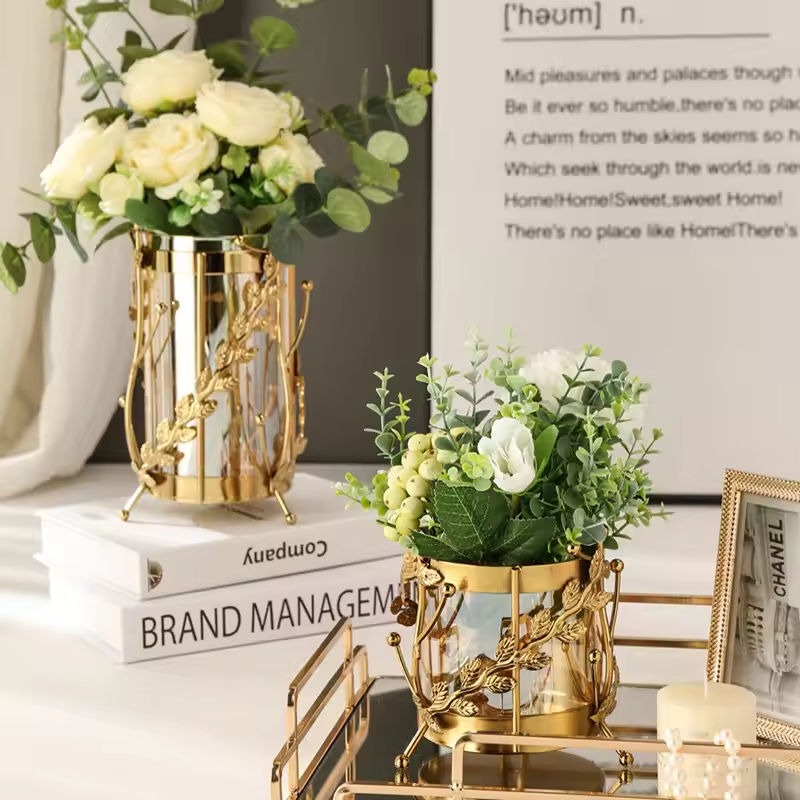
With these finishing touches, your flower in vase drawing is ready for display. Each time you follow these steps, you’ll learn and grow as an artist. Remember to enjoy the process and take pride in your completed artwork.